
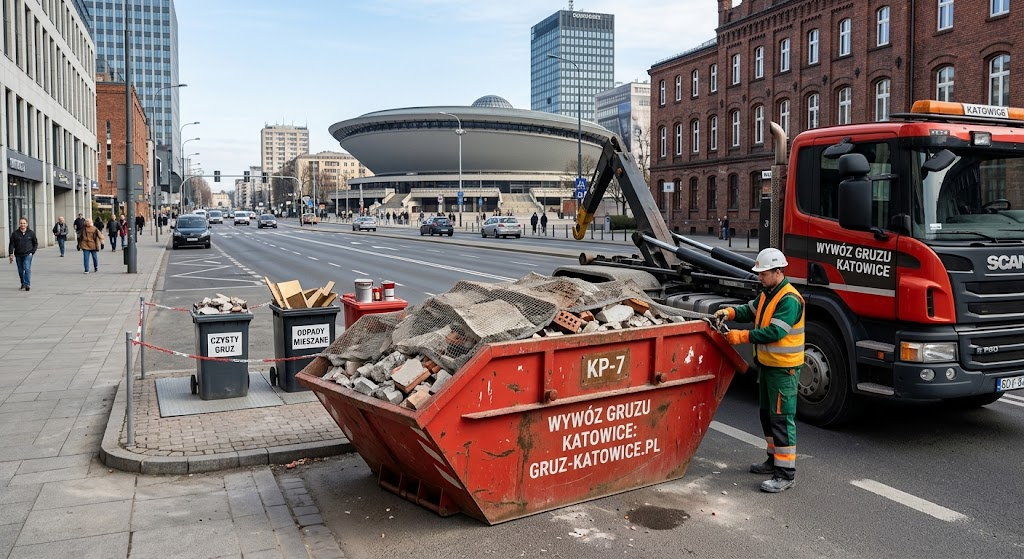
Construction projects, home renovations, and property improvements often produce large amounts of rubble and other waste. Whether you are renovating a small apartment, modernizing an office, or carrying out a major building project, managing construction debris is an essential part of the process. Proper waste disposal keeps the worksite organized, protects the environment, and helps prevent unnecessary delays.
For homeowners, contractors, and property managers in southern Poland, choosing a reliable wywóz gruzu Katowice service can make construction waste removal considerably easier. With the right approach, rubble can be collected, transported, and directed toward appropriate recycling or disposal facilities.
This guide explains how to manage construction waste safely, choose a suitable removal service, and make environmentally responsible decisions during your renovation project.
1. Understanding Construction Waste and Its Challenges
Construction waste includes various materials generated during building, demolition, and renovation activities. Common examples include broken bricks, concrete fragments, ceramic tiles, plaster, mortar, and pieces of masonry.
Some projects also produce packaging, metal components, wood, insulation, and discarded fixtures. However, these materials should not automatically be mixed with ordinary rubble because different waste categories may require separate collection and treatment.
Leaving debris around a property can create several problems. Loose materials may obstruct walkways, increase the risk of accidents, and make it difficult for workers to move equipment. Large piles can also occupy valuable space and interfere with the progress of a renovation.
A well-organized waste removal plan helps avoid these difficulties. By arranging collection before debris accumulates, property owners can maintain a cleaner environment and keep construction activities running smoothly.
2. Why Professional Rubble Removal Matters
Removing heavy construction materials without proper equipment can be physically demanding and potentially dangerous. Concrete, bricks, and ceramic waste can weigh considerably more than they appear to, particularly when collected in large quantities.
Professional waste removal services can provide suitable containers, collection vehicles, and transportation arrangements according to the type and volume of waste. This allows property owners to concentrate on their renovation work rather than organizing repeated trips to disposal facilities.
Another advantage is improved site organization. A designated collection area helps prevent rubble from spreading across the property and makes it easier to separate different materials.
When comparing providers, look for clear pricing, reliable collection arrangements, and information about where the waste will be taken. A trustworthy company should explain which materials it accepts and whether additional charges apply to particular waste categories.
3. Choosing the Right Container for Your Project
Selecting an appropriate container is an important step in construction waste management. The ideal size depends on the nature of the project, the expected amount of debris, and the available space at the property.
For a small bathroom renovation, a relatively compact container may be sufficient. Larger apartment renovations, commercial improvements, and demolition projects may require a bigger container or several scheduled collections.
Before ordering, estimate how much waste the project is likely to generate. Consider whether walls will be demolished, old flooring will be removed, or large quantities of concrete and brickwork will be produced.
You should also check the access conditions around your property. Narrow streets, restricted driveways, limited parking spaces, and underground utilities can influence where a container may be placed.
If you are uncertain about the correct size, ask the service provider for guidance. Choosing the right option can help prevent overflow, avoid unnecessary collection trips, and control overall project costs.
4. How to Prepare Construction Waste for Collection
Preparing debris properly makes collection safer and more efficient. Start by designating a specific location for construction waste, preferably away from entrances, pedestrian routes, and areas where workers frequently operate.
Separate clean rubble from other materials whenever possible. Bricks, concrete, and ceramic fragments may be suitable for mineral waste recycling, while wood, metal, plastics, and packaging may require different handling arrangements.
Avoid placing hazardous substances in an ordinary rubble container. Paints, solvents, asbestos-containing materials, chemicals, batteries, and electronic equipment may be subject to separate handling requirements. If you suspect that a building contains asbestos, do not disturb the material; consult an appropriately qualified professional.
Do not overload containers or allow debris to extend beyond their permitted capacity. Excessively heavy or improperly loaded containers may create transportation and safety problems.
Clear preparation makes the entire removal process more predictable and helps ensure that the waste reaches an appropriate destination.
5. Eco-Friendly Construction Waste Disposal
Responsible waste management involves more than simply removing unwanted materials from a property. Recycling and recovery can reduce the amount of construction waste sent to landfill and help conserve natural resources.
Clean concrete and brick waste can sometimes be processed into recycled aggregates for suitable construction applications. Depending on their condition and local acceptance requirements, other materials may also be recovered or recycled through specialized facilities.
Separating waste at the source is one of the simplest ways to improve recycling outcomes. When recyclable materials are mixed with unsuitable substances, sorting becomes more complicated and some recovery options may be lost.
Property owners should ask their waste collection provider about its recycling practices and the destinations used for collected materials. Avoid assuming that every type of rubble can be recycled in the same way.
For projects in Katowice, responsible disposal supports cleaner neighborhoods and contributes to more efficient use of construction resources. Environmentally conscious waste management can also improve the overall organization of a building project.
6. Understanding the Cost of Rubble Removal in Katowice
The price of construction waste removal depends on several factors, so obtaining a quotation before ordering is a sensible decision.
The container size is often an important consideration, but it is not the only one. The total cost may also depend on the type of waste, collection frequency, transportation distance, rental period, and applicable disposal or processing fees.
Certain materials may cost more to handle because they require specialized treatment. Heavy rubble can also be subject to weight limits, making it important to understand the conditions included in the quoted price.
When comparing offers, do not focus exclusively on the lowest advertised rate. Check whether delivery, collection, waste processing, rental time, and any additional charges are included.
Ask the provider to explain what happens if the container exceeds its weight limit or contains materials that were not included in the original booking. Clear communication helps prevent unexpected expenses.
A well-planned collection schedule can reduce costs by avoiding unnecessary pickups and ensuring that the container is used efficiently.
7. Local Considerations for Waste Removal in Katowice
Katowice contains a mixture of residential buildings, commercial properties, apartment blocks, and active construction sites. Each location may present different logistical challenges.
For example, a container placed outside a detached house may require different arrangements from one delivered to a busy street or a shared residential courtyard.
Before arranging collection, determine whether the container can be placed entirely on private property. If public land, a pavement, or a road must be used, check the applicable municipal requirements and obtain any necessary authorization.
You should also confirm the delivery window, collection date, and access requirements with the provider. In locations with limited parking, coordinating delivery with contractors can help prevent delays.
Choosing a company familiar with local conditions can make scheduling easier, especially when the project involves restricted access or a large volume of debris.
8. Common Mistakes to Avoid During Waste Removal
Even a relatively small renovation can become complicated if waste management is overlooked. Several common mistakes are worth avoiding.
Mixing incompatible materials: Placing all waste in one container can complicate recycling and may result in additional charges. Follow the provider’s instructions about accepted materials.
Ordering the wrong container size: An undersized container may require extra collections, while an oversized option may be unnecessarily expensive.
Ignoring placement restrictions: Containers placed without checking access or local requirements may create problems for pedestrians, neighbors, and delivery vehicles.
Leaving arrangements until the last minute: Delayed collection can interfere with contractors and extend the project schedule.
Failing to confirm pricing: Unclear weight limits, rental periods, and disposal fees can lead to unexpected costs.
Avoiding these mistakes makes the process more manageable and helps maintain a safer construction site.
9. How to Select a Reliable Waste Removal Company
Before hiring a provider, compare several important factors rather than relying on advertising alone.
First, confirm that the company accepts the specific waste materials generated by your project. Next, ask about container availability, delivery times, collection arrangements, and any restrictions concerning loading or placement.
Request a written quotation that clearly identifies the main charges and possible additional fees. It is also useful to check customer reviews and assess whether the company communicates promptly and professionally.
Ask how collected waste is handled and whether the provider works with appropriate recycling or waste treatment facilities. For unusual or potentially hazardous materials, confirm that the necessary specialist arrangements are available.
A reliable service should make the process understandable from the initial booking through final collection. Transparent communication and realistic scheduling are particularly valuable when several contractors are working on the same property.
10. Planning Ahead for a Cleaner Renovation
Successful construction waste management begins before the first wall is demolished or the first floor tile is removed. Estimate the likely waste volume, identify the materials involved, prepare a suitable collection area, and establish a realistic removal schedule.
For homeowners and businesses seeking wywóz gruzu Katowice, careful planning can simplify the entire renovation process. A suitable container, clear pricing, responsible transportation, and appropriate waste separation help create a more efficient and environmentally conscious project.
It is equally important to communicate with contractors so that rubble is placed correctly and collection can take place without interrupting essential work.
Conclusion
Safe and eco-friendly construction waste disposal is an important part of every renovation, demolition, and building project. Proper preparation helps reduce workplace hazards, maintain an organized property, and ensure that different materials are directed toward suitable recycling or disposal facilities.
By selecting an appropriate container, separating waste correctly, checking local placement requirements, and comparing transparent quotations, property owners can avoid many common problems.
Whether you are completing a minor home improvement or managing a substantial construction project, a well-planned rubble removal strategy saves time, supports responsible resource management, and helps keep Katowice cleaner. Taking these steps before work begins makes construction waste disposal a more straightforward and manageable part of the project.
