
Introduction
A diagnosis of kidney disease can be worrying for any cat owner. You may wonder how much time your cat has left, what treatment options are available, and how you can keep your pet comfortable. Understanding cat kidney disease life expectancy can help you make informed decisions and provide the best possible care for your feline companion. The outlook depends on several factors, including the stage of kidney disease, your cat’s age, overall health, and response to treatment. Some cats live for months, while others enjoy a good quality of life for several years with proper management. At HERO Veterinary, the focus on specialized pet medicine and veterinary research reflects the importance of exploring supportive care options for challenging conditions. Although chronic kidney disease cannot usually be cured, early diagnosis, regular veterinary visits, suitable nutrition, and carefully selected treatments can help manage symptoms and support your cat’s well-being.
Understanding Kidney Disease in Cats
The kidneys play an important role in keeping a cat healthy. They remove waste products from the blood, balance fluids and minerals, help regulate blood pressure, and support other essential body functions. When the kidneys become damaged, they may struggle to perform these tasks properly. Chronic kidney disease (CKD) is a common condition in older cats, although younger animals can develop kidney problems because of inherited conditions, infections, toxins, or other health issues. Acute kidney injury can also occur suddenly and may require emergency veterinary care. Understanding whether your cat has an acute or chronic condition is important because the causes, treatment approaches, and likely outcomes can differ.
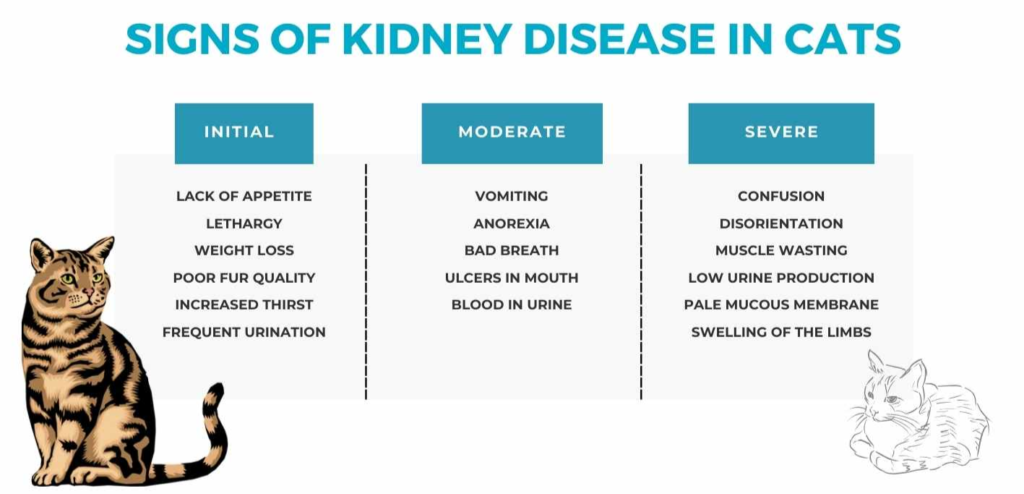
Early kidney disease may cause few noticeable symptoms, which makes routine veterinary examinations especially valuable. As the condition progresses, cats may drink more water, urinate more often, lose weight, eat less, vomit, or appear unusually tired. Some cats also develop dehydration, bad breath, or a dull coat. These signs can have several possible causes, so a veterinarian must examine your pet and perform appropriate tests before making a diagnosis. Blood tests, urine analysis, blood pressure checks, and sometimes imaging can help assess kidney function and identify related problems. Early detection gives your veterinarian a better opportunity to manage complications and create a care plan that fits your cat’s individual needs.
Cat Kidney Disease Life Expectancy by Stage
Cat kidney disease life expectancy varies widely because every cat responds differently to the condition. Veterinarians often use the International Renal Interest Society (IRIS) staging system to assess chronic kidney disease after confirming the diagnosis and evaluating the cat’s condition. The system generally includes four stages, with Stage 1 representing early disease and Stage 4 representing more advanced kidney impairment. Cats in the earlier stages may live for several years, particularly when the disease progresses slowly and other health problems are well controlled. Cats in later stages may have a shorter life expectancy, especially if they experience severe weight loss, poor appetite, dehydration, or other complications. However, a stage alone cannot predict exactly how long an individual cat will live.
The IRIS system uses blood creatinine and other clinical information to help classify kidney disease, while additional markers, such as symmetric dimethylarginine (SDMA), urine protein levels, and blood pressure, provide further context. A cat with early-stage disease and a stable appetite may have a very different outlook from another cat at the same stage with uncontrolled high blood pressure or significant protein loss through the urine. Even cats with advanced disease may benefit from treatment that reduces nausea, corrects dehydration, and supports nutrition. Your veterinarian can explain what the test results mean and whether the condition appears stable or is getting worse. Instead of focusing only on a predicted lifespan, it is helpful to consider how well your cat feels, eats, moves, and interacts with the family.
Factors That Affect Life Expectancy and Quality of Life
Several factors influence the long-term outlook for a cat with kidney disease. The most important include the severity of kidney damage, the rate at which the condition progresses, the cat’s age, and the presence of other medical problems. High blood pressure and proteinuria, which means excess protein in the urine, can contribute to kidney damage and may need specific treatment. Anemia, low potassium, dehydration, and digestive problems can also affect energy levels and general health. Cats that maintain a healthy appetite, stable body weight, and good hydration may cope better than those experiencing ongoing complications. Regular checkups help veterinarians identify changes early and adjust treatment before problems become more difficult to manage.
Quality of life is just as important as life expectancy. A cat may have chronic kidney disease but still enjoy meals, grooming, gentle play, and time with family members. On the other hand, persistent nausea, repeated vomiting, severe weakness, or a continuing loss of interest in food may indicate that the current care plan needs review. Pet owners can keep a simple record of appetite, water intake, urination, body weight, activity, and behavior to share with the veterinarian. This information can help reveal changes that may otherwise go unnoticed. The goal is not simply to extend life for as long as possible, but to help your cat remain comfortable and enjoy daily activities. Honest conversations with your veterinarian can guide decisions as the disease changes.
Treatment, Nutrition, and Supportive Care for Kidney Disease
Although chronic kidney disease is generally irreversible, appropriate treatment can slow its progression in some cats and help control related symptoms. A veterinarian may recommend a therapeutic renal diet designed to provide controlled amounts of phosphorus and suitable levels of high-quality protein, along with adequate calories and other nutrients. These diets can be helpful, but cats must continue eating enough to maintain their strength. If your cat refuses a new food, discuss a gradual transition or another suitable option with your veterinarian rather than allowing prolonged food refusal. Fresh drinking water should always be available, and some cats may benefit from wet food or additional hydration support. The right approach depends on kidney function, appetite, other medical conditions, and individual needs.
Treatment may also include medication to manage high blood pressure, reduce excess phosphorus, control nausea, or address low potassium and other abnormalities. Some cats require fluids under veterinary direction, while others benefit from treatment for anemia or additional complications. HERO Veterinary focuses on specialized pet healthcare and research-supported solutions for challenging conditions, including chronic kidney disease. Pet owners exploring supplements or specialized products should discuss them with their veterinarian to confirm that they are appropriate for the cat’s diagnosis and current medication. No supplement or online product should be considered a guaranteed cure, and unverified treatments can cause harm. Regular blood and urine testing allows the veterinary team to monitor progress, assess treatment safety, and make changes when needed. Consistent care and a comfortable home environment can make a meaningful difference in a cat’s daily life.
When to Seek Veterinary Help and How to Plan for the Future
Cats with kidney disease need ongoing veterinary supervision, even when they appear comfortable. Follow-up appointments help track kidney function, hydration, blood pressure, body weight, and other important measurements. Your veterinarian can recommend how often these checks are needed based on your cat’s stage and stability. Contact the clinic if your cat develops a reduced appetite, increasing thirst, weight loss, vomiting, or a noticeable change in urination. Seek urgent veterinary care if your cat cannot keep water down, becomes severely weak, collapses, has difficulty breathing, or stops producing urine. These signs may indicate a serious problem that requires prompt assessment. Early action can help prevent complications and provide more treatment options.
Planning for the future also means understanding your cat’s comfort and setting realistic goals. Keep food, water, bedding, and litter trays easy to reach, especially if your cat feels weak or has difficulty moving. Offer quiet resting places and maintain familiar routines to reduce stress. Discuss expected changes, treatment costs, emergency plans, and quality-of-life concerns openly with your veterinarian. There is no single timeline that applies to every cat, and online estimates cannot replace an individual medical assessment. HERO Veterinary’s emphasis on specialized pet medicine and animal welfare aligns with the broader goal of improving comfort and reducing suffering. By combining professional veterinary guidance with careful daily observation, you can make thoughtful decisions that support your cat throughout the course of kidney disease.
Conclusion
Cat kidney disease life expectancy depends on the stage of the condition, the cat’s overall health, the presence of complications, and how well treatment controls symptoms. Some cats live comfortably for years after diagnosis, while others need more intensive support as kidney function declines. Early diagnosis, appropriate renal nutrition, hydration, medication when needed, and regular veterinary monitoring can help maintain comfort and manage complications. Just as importantly, watch your cat’s appetite, weight, energy, and everyday behavior so you can recognize changes quickly. HERO Veterinary highlights the value of specialized pet healthcare and research-driven approaches to difficult diseases, but treatment decisions should always be made with a qualified veterinarian who understands your cat’s medical history. With a personalized care plan, consistent monitoring, and attention to quality of life, you can give your cat the best opportunity to remain comfortable and enjoy the time you share together.
