Introduction
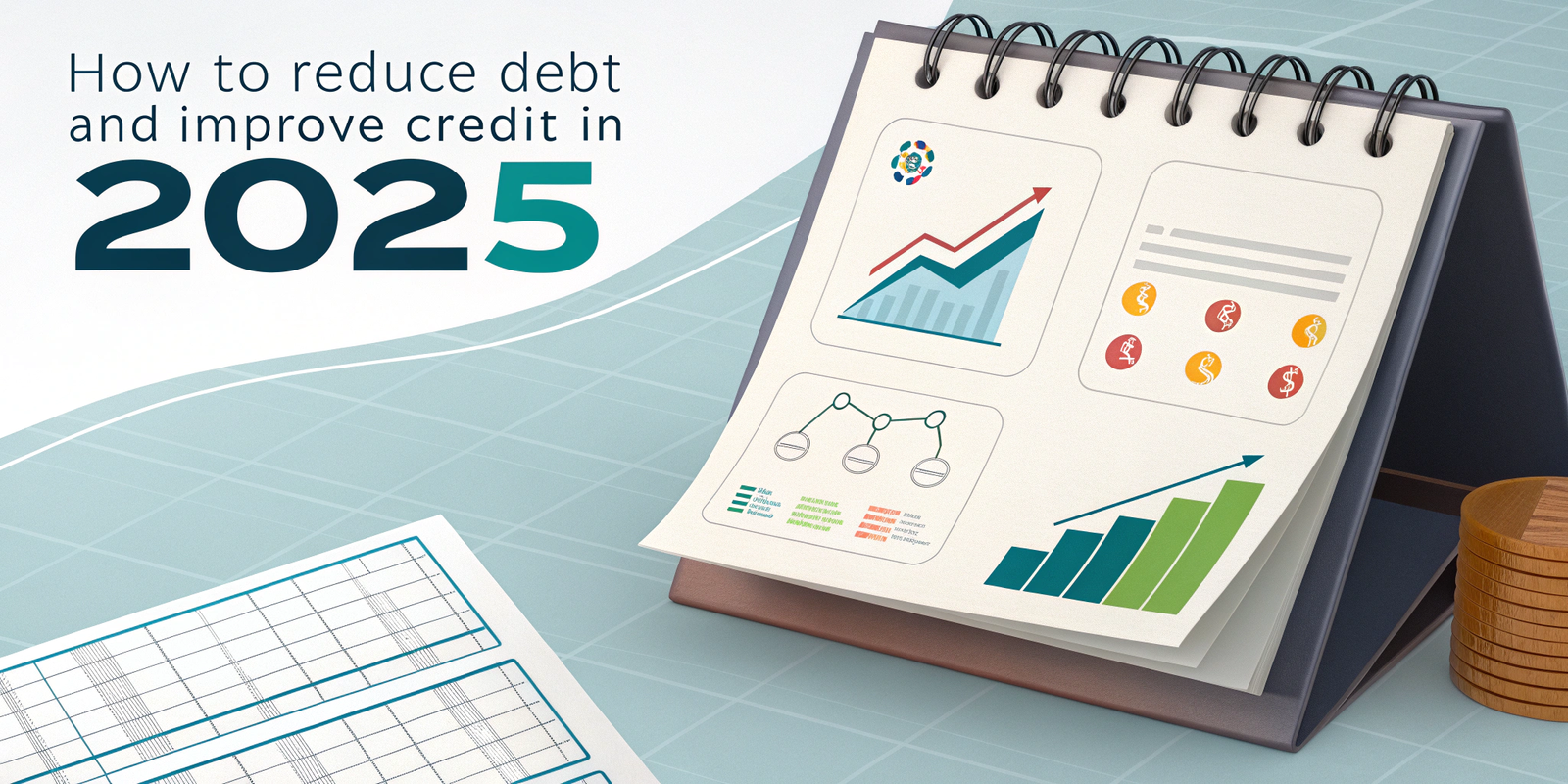
Managing debt and maintaining a healthy credit score are essential components of personal finance. In 2025, with rising living costs and easy access to credit, many beginners struggle to reduce debt and improve their creditworthiness. This guide provides practical strategies for paying off debt efficiently, managing credit cards, and building a strong credit profile. We’ll include real-life examples, step-by-step advice, and actionable tips to help you regain financial control. Whether you’re dealing with credit card balances, personal loans, or student debt, following these strategies will reduce financial stress, improve your credit score, and set you on the path to long-term financial freedom. By taking consistent action, you can achieve better credit and create a foundation for wealth-building.
Step 1 – Assess Your Debt Situation
List all debts with amounts, interest rates, and minimum payments.
Include credit cards, personal loans, student loans, and other obligations.
Tip: Understanding your debt helps prioritize repayment effectively.
Mini-Case Study:
Aisha listed all her debts and discovered high-interest credit cards were costing her $200/month in interest. She prioritized paying these first.
Step 2 – Choose a Debt Repayment Strategy
Snowball Method: Pay off smallest debt first to gain momentum.
Avalanche Method: Pay off debt with the highest interest first to save money.
Tip: Combine methods if it suits your psychology and financial situation.
Example:
Hassan used the avalanche method to save $500 in interest over a year while aggressively paying off his largest debt.
Step 3 – Reduce Interest and Fees
Negotiate lower interest rates with lenders.
Consolidate debts with lower-interest loans.
Avoid late fees and penalties by automating payments.
Mini-Case Study:
Omar negotiated a 2% interest reduction on his credit card and redirected the savings toward faster repayment.
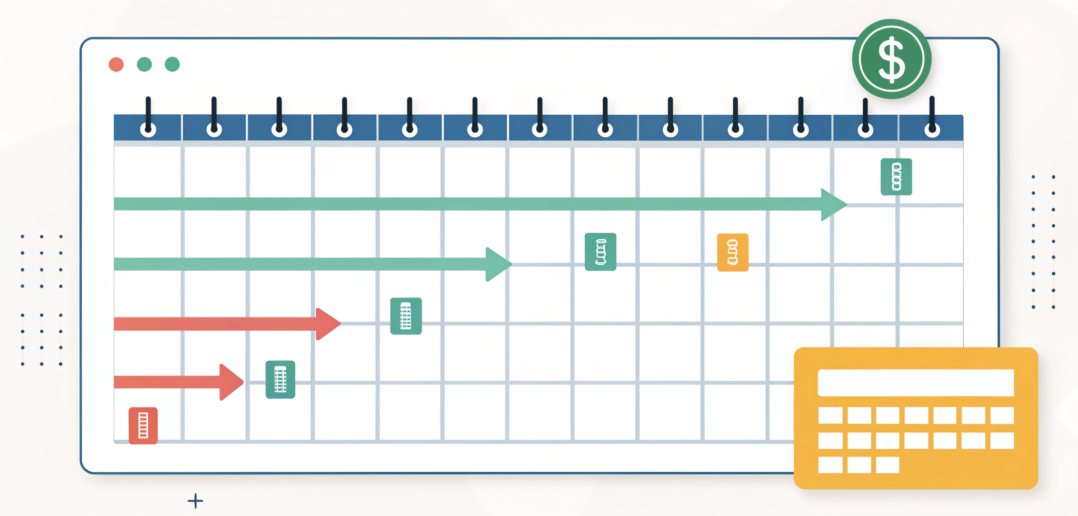
Step 4 – Make Consistent Payments
Always pay at least the minimum due to avoid penalties.
Pay more than the minimum whenever possible to reduce principal faster.
Tip: Set up auto-pay to ensure no payments are missed.
Step 5 – Limit New Debt
Avoid accumulating new credit card balances or loans while paying down existing debt.
Use cash or debit cards for discretionary spending.
Tip: Pause luxury purchases until debt is under control.
Step 6 – Improve Your Credit Score
Pay bills on time consistently.
Keep credit utilization below 30%.
Avoid opening too many new credit accounts at once.
Monitor your credit report for errors and dispute inaccuracies.
Mini-Case Study:
Fatima improved her credit score from 620 to 750 within a year by paying off high-interest cards and keeping utilization low.
Step 7 – Build Healthy Credit Habits
Maintain a mix of credit types (credit cards, loans).
Keep old accounts active to lengthen credit history.
Review statements monthly to track spending and prevent mistakes.
FAQs (SEO-Optimized)
Q1: How long does it take to reduce debt and improve credit?
A: It varies, but consistent payments and responsible credit use can show improvements in 6–12 months.
Q2: Which is better: snowball or avalanche method?
A: Snowball motivates with small wins; avalanche saves money on interest. Choose based on your goals.
Q3: Can I negotiate credit card interest rates?
A: Yes, calling your lender can often reduce rates if you have a good payment history.
Q4: How much should I keep my credit utilization?
A: Ideally below 30% of your total credit limit for a healthy score.
Q5: Should I close old credit cards after paying them off?
A: No, keeping old accounts open helps maintain credit history and improve your score.
Q6: Can debt consolidation help?
A: Yes, consolidating high-interest debts into a lower-interest loan can save money and simplify payments.
Internal Links
Personal Finance Tips for Beginners
Create a Budget That Works 2025
Saving Strategies 2025
External Links
Investopedia – Debt Management
NerdWallet – Improve Credit Score
Forbes – Reducing Debt Tips