Introduction
Managing your personal finances effectively is the foundation of long-term financial security. Many beginners struggle with budgeting, saving, and investing simply because they lack practical guidance. In 2025, with easy access to financial tools, apps, and online resources, it’s easier than ever to take control of your money.
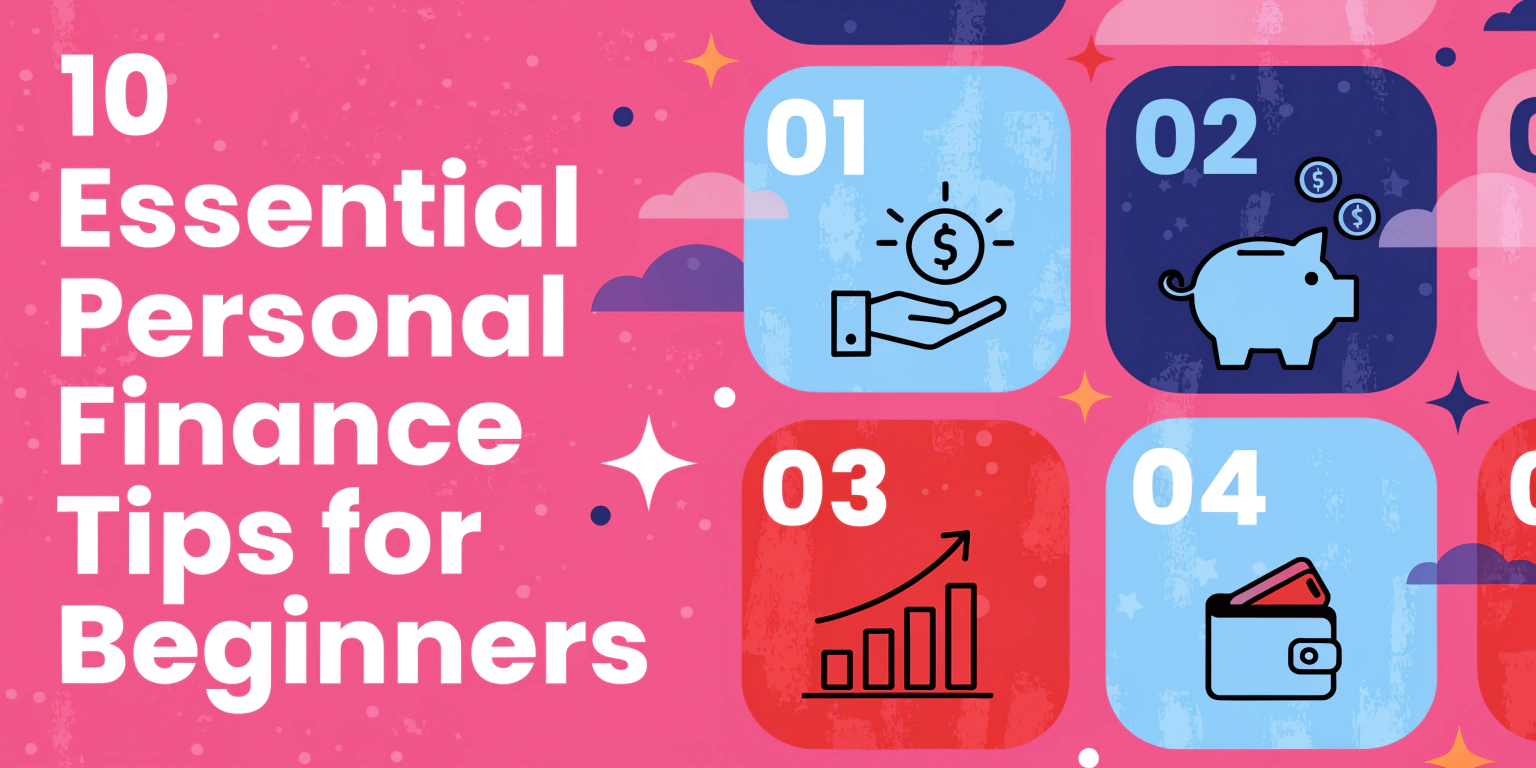
This guide provides 10 essential personal finance tips for beginners, including budgeting strategies, saving hacks, debt management, and smart spending habits. We’ll include real-life examples, actionable tips, and step-by-step guidance so you can start making informed financial decisions immediately. Whether your goal is saving for a home, building an emergency fund, or preparing for retirement, these tips will help you develop strong money management habits and achieve financial stability.
1. Create a Monthly Budget
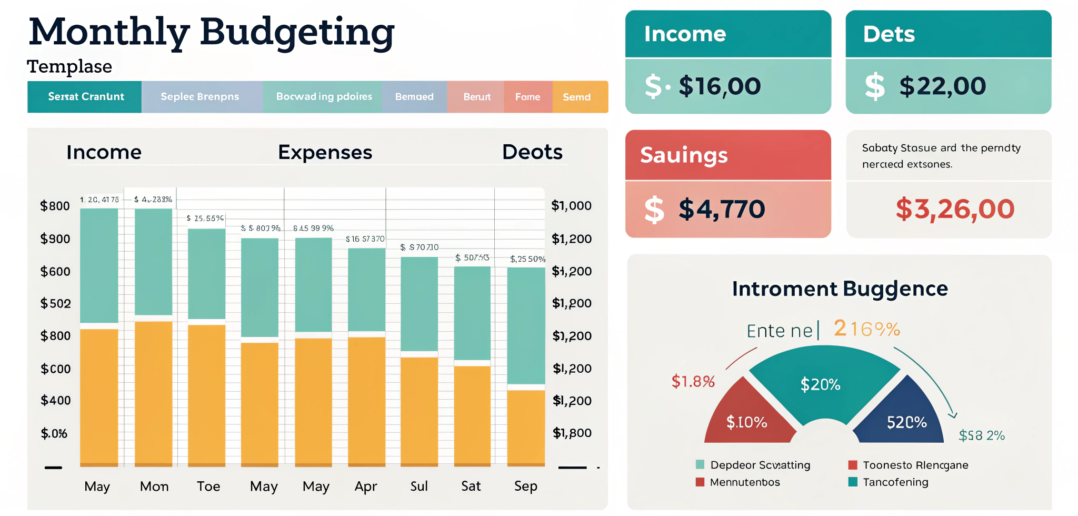
Track income and expenses to understand cash flow.
Use budgeting apps like YNAB, Mint, or a simple spreadsheet.
Tip: Allocate at least 20% of income to savings or investments.
Mini-Case Study:
Aisha created a monthly budget and discovered she was overspending on dining out. She redirected the savings toward an emergency fund.
2. Build an Emergency Fund
Aim for 3–6 months of essential expenses.
Keep funds in a high-yield savings account for accessibility.
Tip: Automate contributions to grow the fund steadily.
Example:
Hassan saved $200/month in a separate savings account. After a year, he had $2,400 ready for unexpected expenses.
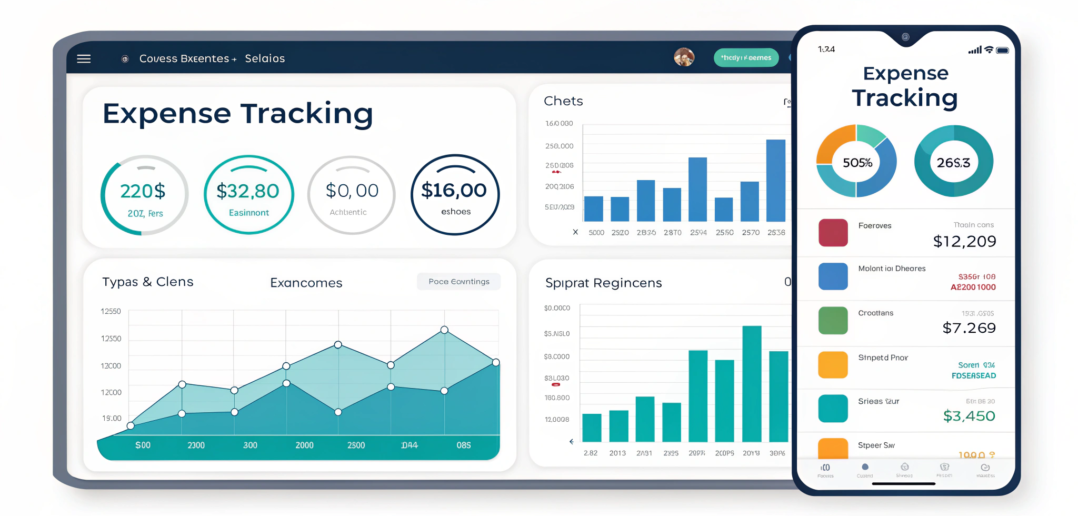
3. Track Your Expenses Regularly
Record daily spending to identify unnecessary expenses.
Categorize spending: essentials, discretionary, and savings.
Tip: Review weekly to stay on track with your budget.
4. Pay Off High-Interest Debt First
Focus on credit cards and personal loans with high interest rates.
Use snowball or avalanche methods to accelerate repayment.
Tip: Avoid accumulating new high-interest debt while paying off old ones.
Mini-Case Study:
Fatima paid off her $5,000 credit card debt in 12 months by prioritizing it over smaller loans, saving hundreds in interest.
5. Save and Invest Consistently
Allocate a portion of income to savings and investment accounts.
Consider retirement accounts, ETFs, or mutual funds.
Tip: Even small amounts ($50–$100/month) grow significantly over time.
6. Avoid Lifestyle Inflation
Resist increasing spending as income rises.
Focus on saving or investing extra income instead.
Tip: Maintain simple habits to maximize long-term wealth.
Example:
Omar received a raise but kept expenses the same and invested the extra $300 monthly, building a substantial portfolio over 3 years.
7. Plan for Major Expenses
Anticipate future costs: vacations, home, education.
Allocate monthly contributions to dedicated funds.
Tip: Break large goals into smaller, manageable steps.
8. Automate Your Finances
Set up auto-pay for bills, savings, and investments.
Reduces missed payments and ensures consistent saving.
Tip: Automate small, regular contributions to start building wealth effortlessly.
9. Educate Yourself About Money
Read books, follow personal finance blogs, or take courses.
Understand budgeting, investing, credit scores, and tax strategies.
Tip: Knowledge reduces mistakes and boosts confidence.
Example:
Sara read beginner-friendly finance books and applied strategies to double her savings in 2 years.
10. Review and Adjust Regularly
Revisit your budget and financial goals monthly.
Adjust spending, saving, and investment allocations as life changes.
Tip: Stay flexible and adapt to financial shifts or unexpected events.
H2: FAQs (SEO-Optimized)
Q1: How much should beginners save each month?
A: Ideally, 20% of income should go to savings or investments, adjusted to personal circumstances.
Q2: Is budgeting really necessary?
A: Yes, budgeting provides clarity, reduces stress, and ensures long-term financial stability.
Q3: What’s the best way to pay off debt?
A: Use the snowball method (smallest debt first) or avalanche method (highest interest first).
Q4: Can I start investing with little money?
A: Yes, fractional shares and ETFs allow starting with as little as $50–$100.
Q5: How often should I review my finances?
A: Monthly reviews are recommended, with quarterly or yearly in-depth checks.
Q6: What is the most important personal finance tip for beginners?
A: Start early, automate savings, and maintain consistent financial habits.
Internal Links
Investing for Beginners
Start Investing With $100
Zero-Based Budgeting Method
External Links
Investopedia – Personal Finance Basics
NerdWallet – Money Management Tips