Introduction
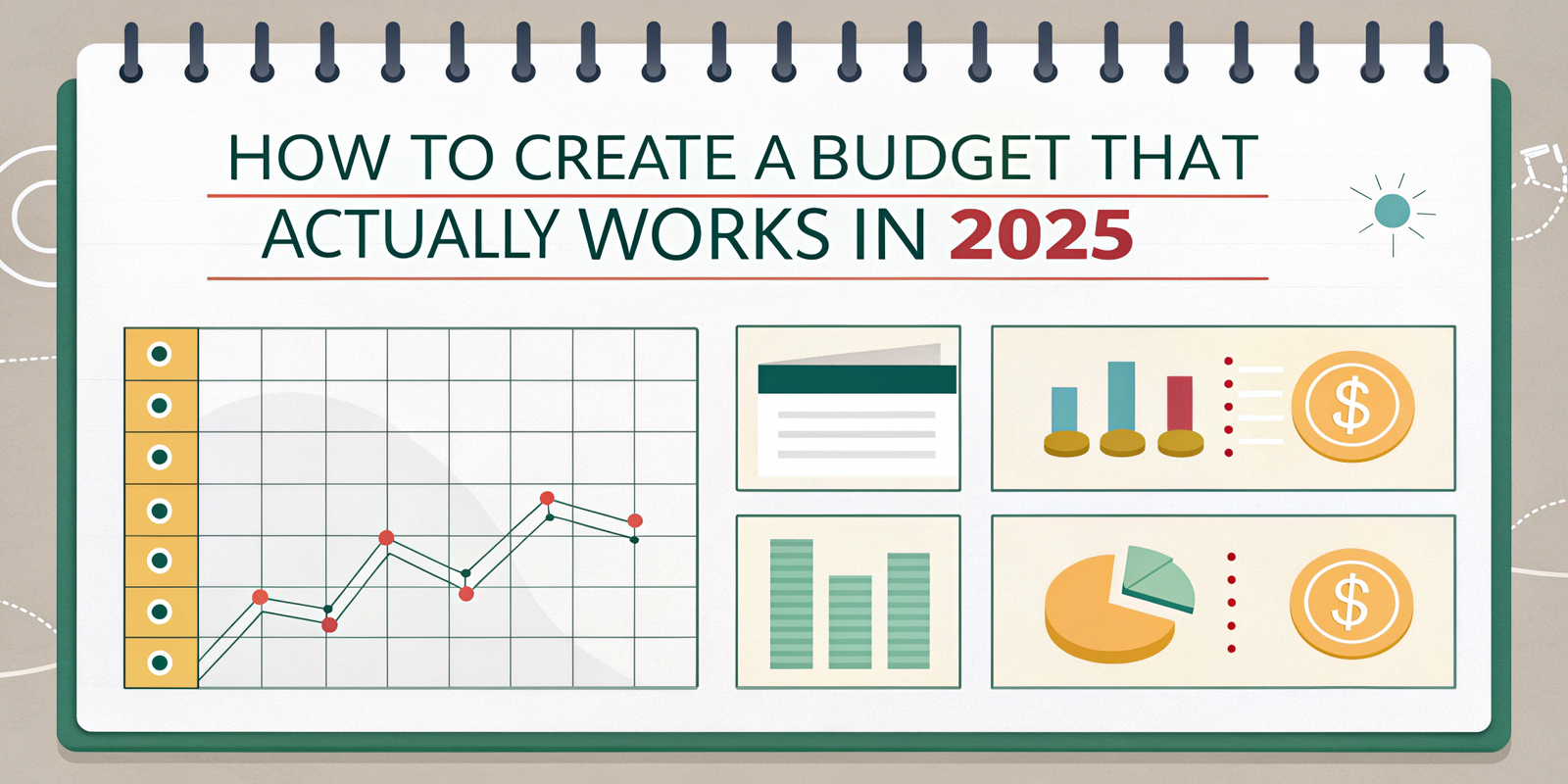
create a budget that works 2025 Creating a budget that works can transform your financial life. Many beginners struggle because they either oversimplify their spending or overcomplicate their tracking. In 2025, budgeting is easier than ever with apps, automation tools, and practical frameworks. This guide will teach you how to create a realistic and sustainable budget tailored to your income and goals.
We’ll cover step-by-step methods, real-life examples, common mistakes to avoid, and tips to ensure your budget is flexible and actionable. Whether your goal is saving for a big purchase, building an emergency fund, or simply controlling overspending, following these strategies will help you gain control over your money, reduce stress, and achieve financial stability.
Step 1 – Track Your Income and Expenses
Income: Include salary, side hustles, and passive income.
Expenses: Record every expense for a month to understand your cash flow.
Tip: Use budgeting apps like Mint, YNAB, or simple spreadsheets.
Mini-Case Study:
Aisha tracked her expenses for one month and discovered $200 was wasted on subscriptions she never used.
Step 2 – Categorize Your Spending
Categories: Essentials (rent, groceries), discretionary (entertainment, dining), savings/investments.
Tip: Allocate percentages to each category, e.g., 50% essentials, 30% discretionary, 20% savings.
Example:
Hassan allocated $1,500 for rent/utilities, $900 for discretionary spending, and $600 to savings.
H2: Step 3 – Set Realistic Goals
Short-term: Emergency fund, monthly savings targets.
Medium-term: Vacation, home renovation.
Long-term: Retirement, financial independence.
Tip: Break goals into monthly contributions to stay on track.
H2: Step 4 – Choose a Budgeting Method
50/30/20 Rule: 50% essentials, 30% wants, 20% savings.
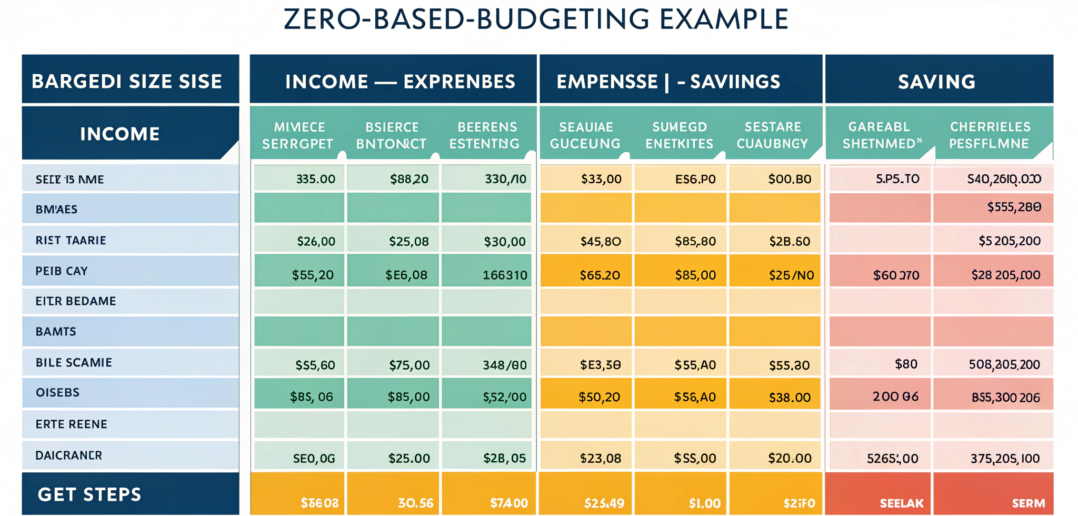
Zero-Based Budgeting: Assign every dollar a purpose until income minus expenses equals zero.
Envelope System: Allocate cash to categories in envelopes to control spending.
Mini-Case Study:
Leila used zero-based budgeting to assign every $1 of her $2,500 income. She reduced overspending and increased monthly savings by $400.
Step 5 – Automate Savings and Bills
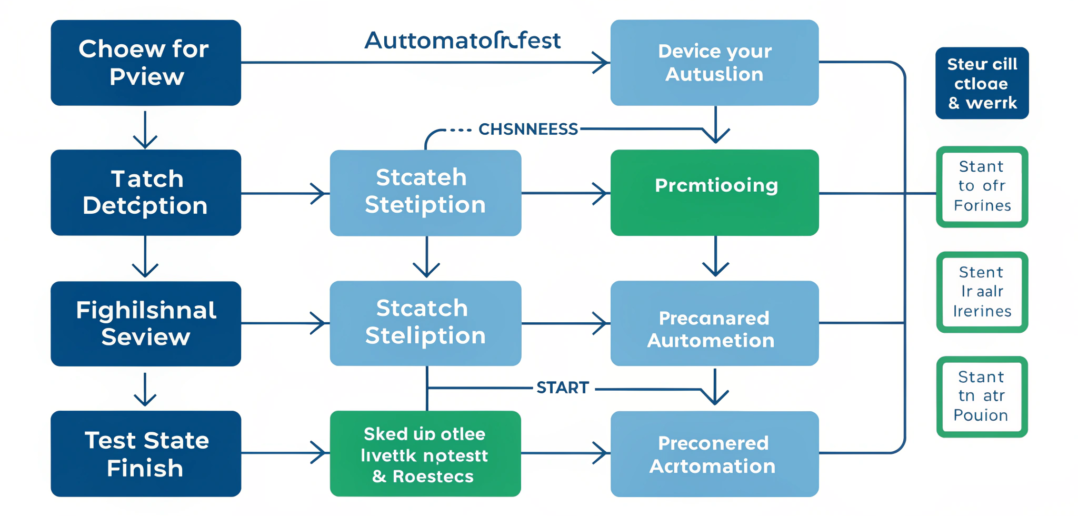
Set up automatic transfers to savings, investments, and bill payments.
Reduces missed payments and ensures consistency.
Tip: Automate small, regular contributions to build wealth effortlessly.
Step 6 – Monitor and Adjust Regularly
Review your budget weekly and monthly.
Adjust categories if spending habits change or income fluctuates.
Tip: Stay flexible—budgets should guide, not restrict you.
Step 7 – Avoid Common Budgeting Mistakes
Overcomplicating the budget
Ignoring irregular expenses
Failing to track small purchases
Setting unrealistic savings goals
Not reviewing and adjusting periodically
FAQs (SEO-Optimized)
Q1: How do I start a budget from scratch?
A: Track your income and expenses for a month, categorize spending, and allocate funds to each category based on your goals.
Q2: What is the best budgeting method in 2025?
A: Zero-based budgeting and the 50/30/20 rule are beginner-friendly and effective for most people.
Q3: How often should I review my budget?
A: Weekly for tracking and monthly for adjustments ensures you stay on track.
Q4: Can I automate my budget?
A: Yes, use banking apps or budgeting platforms to automate savings, bills, and investments.
Q5: How can I stick to a budget?
A: Set realistic goals, track expenses, automate payments, and adjust periodically.
Q6: Should I include irregular expenses in my budget?
A: Yes, plan for annual expenses like insurance, holidays, or vehicle maintenance by allocating monthly contributions.
Internal Links
Personal Finance Tips for Beginners
Start Investing With $100
Zero-Based Budgeting Method
External Links
Investopedia – How to Create a Budget
NerdWallet – Budgeting Tips
Forbes – Smart Budgeting Strategies