Introduction
investing mistakes beginners Investing can be exciting, but beginners often make mistakes that can derail their financial growth. In 2025, with easy access to apps and online platforms, it’s easier than ever to invest—but also easier to make costly errors. Common mistakes include lack of research, overtrading, ignoring diversification, and letting emotions drive decisions.
This guide will help you identify these pitfalls and provide actionable strategies to avoid them. By understanding these mistakes and learning how to correct them early, you’ll save time, money, and stress while building a strong foundation for long-term wealth. With real-life examples, practical tips, and beginner-friendly advice, this article ensures you start investing smartly and confidently.
Mistake 1 – Not Having Clear Goals
Problem: Investing without specific objectives leads to inconsistent strategies.
Solution: Define short-term, medium-term, and long-term financial goals.
Tip: Align investments with your goals (e.g., stocks for long-term growth, bonds for stability).
Mini-Case Study:
Sara initially invested randomly in trending stocks but switched to goal-based investing and saw consistent portfolio growth.
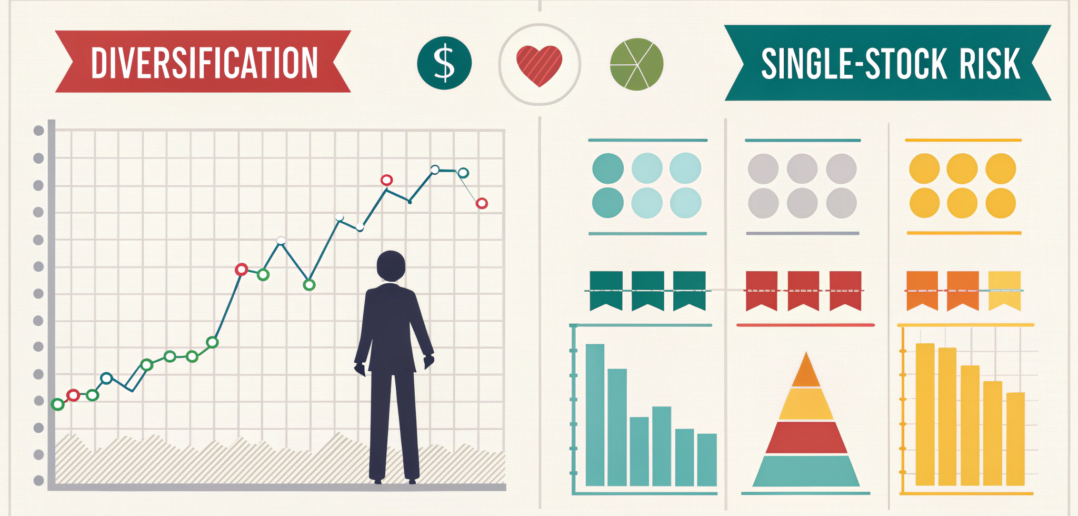
Mistake 2 – Ignoring Diversification
Problem: Putting all money in a single stock or sector increases risk.
Solution: Spread investments across stocks, bonds, ETFs, or mutual funds.
Tip: Diversification reduces volatility and protects against losses.
Mini-Case Study:
Ali invested only in tech stocks and faced heavy losses during a market downturn. He later diversified into ETFs and bonds, stabilizing his portfolio.
Mistake 3 – Trying to Time the Market
Problem: Frequent buying and selling based on short-term trends can harm returns.
Solution: Focus on long-term investing and ignore short-term market noise.
Tip: Dollar-cost averaging helps mitigate market timing risks.
Mini-Case Study:
Farhan attempted to sell stocks during a dip but lost potential gains. Switching to long-term holding improved his returns.
Mistake 4 – Overlooking Fees and Taxes
Problem: High fees and taxes can erode investment gains.
Solution: Choose low-cost brokerage accounts and tax-efficient investment options.
Tip: Track annual expenses and optimize tax-advantaged accounts.
Mini-Case Study:
Leila switched from a high-fee mutual fund to a low-cost ETF, saving thousands in fees over 5 years.

Mistake 5 – Emotional Investing
Problem: Fear and greed lead to impulsive decisions, like panic selling or chasing trends.
Solution: Stick to a strategy, rebalance periodically, and avoid reacting emotionally.
Tip: Automate contributions to reduce decision-making pressure.
Mini-Case Study:
Omar initially panicked during a market dip but learned to hold and automate investments, seeing steady growth.
Mistake 6 – Neglecting Education
Problem: Lack of knowledge about investments increases risk of mistakes.
Solution: Continuously learn about stocks, ETFs, retirement accounts, and investing strategies.
Tip: Follow trusted resources, take beginner courses, and use educational features in investment apps.
FAQs (SEO-Optimized)
Q1: What is the biggest mistake beginners make in 2025?
A: Not having clear goals and investing without a strategy is the most common mistake.
Q2: How can I avoid emotional investing?
A: Stick to a long-term plan, automate contributions, and ignore short-term market fluctuations.
Q3: Should I diversify even with a small portfolio?
A: Yes, using ETFs or fractional shares allows diversification even with limited funds.
Q4: Are high-fee funds bad for beginners?
A: Yes, high fees reduce long-term returns. Opt for low-cost ETFs or mutual funds.
Q5: How often should I review my investments?
A: Quarterly or semi-annually is sufficient for most beginners to stay on track.
Q6: Can education prevent mistakes?
A: Absolutely, learning about investments reduces the likelihood of costly errors.
Internal Links
Investing for Beginners
Start Investing With $100
Stock Market Basics for Beginners 2025
External Links
Investopedia – Common Investing Mistakes
NerdWallet – Avoid Investment Mistakes
Forbes – Smart Investing Tips