Introduction
An emergency fund is the cornerstone of financial security. It’s a dedicated savings pool that covers unexpected expenses such as medical bills, car repairs, or sudden loss of income. Many people underestimate how much they need, leading to stress and reliance on credit cards during emergencies. This guide will show you how to determine the right amount for your emergency fund, practical ways to build it, and real-life examples of how it can prevent financial crises. Whether you’re just starting your financial journey or looking to strengthen your safety net, having a properly funded emergency fund ensures peace of mind and stability. By following these strategies, you’ll be prepared for the unexpected without derailing your monthly budget.
What Is an Emergency Fund?
Definition: Savings set aside for unexpected, urgent expenses.
Purpose: Financial security, avoiding debt, and stress reduction.
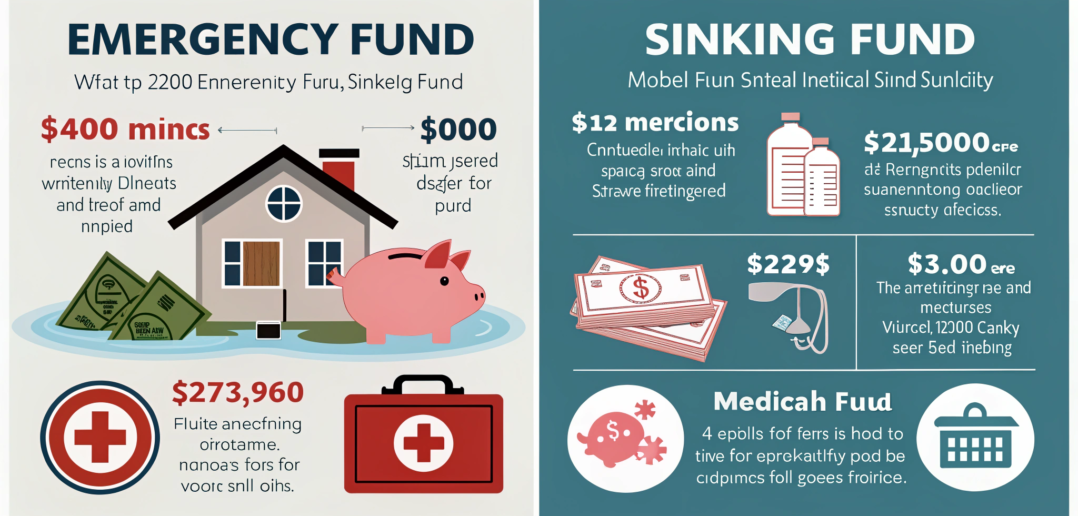
Difference from Sinking Funds: Emergency funds cover unplanned expenses; sinking funds are for known, planned costs.
Example:
If a sudden medical bill of $800 arises, an emergency fund prevents using credit cards or loans.
Step 1 – Calculate Your Monthly Expenses
Total monthly essential expenses: rent/mortgage, utilities, groceries, insurance, transportation.
Include minimum debt repayments.
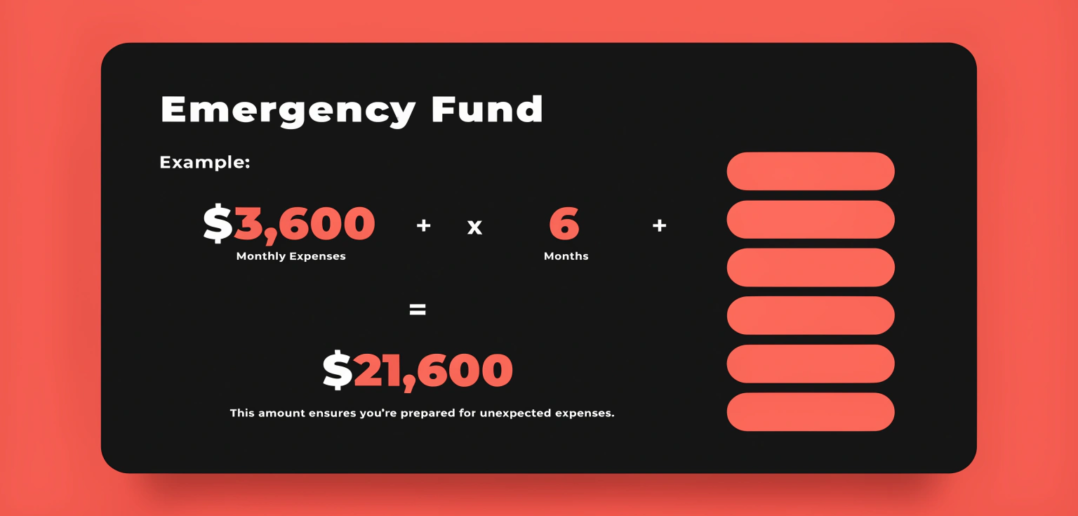
Example: Total monthly expenses = $2,500
Step 2 – Decide the Fund Size
General Recommendation: 3–6 months of essential expenses.
High-Risk Situations: 6–12 months (freelancers, self-employed, or unstable income).
Example: $2,500 × 6 months = $15,000 emergency fund
Mini-Case Study:
Rashid, a freelancer, saved $15,000 for 6 months of expenses. When he faced a 2-month income gap, his fund covered all essentials without stress.
Step 3 – Choose a Safe Savings Account
High-yield savings accounts or money market accounts for easy access.
Avoid investments with market risks (stocks, crypto) for emergency funds.
Accessibility is key — funds should be readily available.
Step 4 – Fund Your Emergency Account Gradually
Pay yourself first: set a monthly contribution target.
Start small and increase contributions as your income grows.
Automate transfers to ensure consistency.
Example:
To reach $15,000 in 12 months, save $1,250 monthly. If not feasible, extend timeline or adjust other expenses.
step 5 – Reassess Periodically
Review fund size when income or expenses change.
Adjust contributions if you add family members, mortgage, or new financial obligations.
Mini-Case Study:
After moving to a new city, Ayesha increased her emergency fund from $10,000 to $18,000 to accommodate higher rent and living costs.
Benefits of a Well-Funded Emergency Fund
Avoids high-interest debt during emergencies
Reduces financial stress
Provides peace of mind
Helps maintain lifestyle without disruption
FAQs (SEO-Optimized)
Q1: How much should I save in my emergency fund?
A: Ideally, 3–6 months of essential expenses; freelancers or high-risk earners may need 6–12 months.
Q2: Can I use an emergency fund for planned expenses?
A: No, it’s reserved for unplanned, urgent costs. Planned expenses should use sinking funds.
Q3: Where should I keep my emergency fund?
A: High-yield savings accounts or money market accounts for safety and accessibility.
Q4: How do I start if I have no savings?
A: Begin small, automate monthly contributions, and gradually increase until you reach your target.
Q5: Should I adjust my emergency fund over time?
A: Yes, reassess when your income, expenses, or financial obligations change.
Q6: Can an emergency fund prevent debt?
A: Yes, it covers unexpected costs without resorting to credit cards or loans.
Internal Links
Budgeting for Beginners
Sinking Fund: How to Use It
Zero-Based Budgeting Method
External Links
Investopedia – Emergency Fund
NerdWallet – How to Build an Emergency Fund