
Introduction
study techniques to improve focus and retention. Achieving academic success in 2025 requires more than just spending hours with textbooks; it requires effective study techniques that improve focus and retention. Many students struggle with distractions, inefficient study habits, and forgetting important information. This guide provides proven methods to enhance concentration, retain knowledge longer, and optimize study sessions. We’ll cover strategies like active recall, spaced repetition, mind mapping, and environment optimization, along with real-life examples and step-by-step guidance. By implementing these techniques, students can study smarter, reduce stress, and improve exam performance. Whether you’re preparing for high school exams, college tests, or online courses, these practical strategies are adaptable and actionable, ensuring you get the most out of your study time while maintaining a balanced lifestyle.
1. Use Active Recall
Test yourself on the material instead of passive reading.
Tip: Close your book and try to write or explain concepts from memory.
Benefit: Strengthens memory retention and improves understanding.
Mini-Case Study:
Aisha used flashcards for her biology chapters, recalling 90% of the material during exams compared to 60% previously.

2. Apply Spaced Repetition
Review material at increasing intervals over time.
Tools like Anki or Quizlet can automate spaced repetition.
Benefit: Moves information from short-term to long-term memory effectively.
Example:
Hassan revised vocabulary daily for a week, then every 3 days, then weekly, retaining it for the entire semester.
3. Create Mind Maps and Diagrams
Visualize concepts to understand relationships between ideas.
Use colors, shapes, and keywords for easier recall.
Benefit: Enhances comprehension and retention, especially for complex subjects.
Mini-Case Study:
Omar created a mind map for his history syllabus and remembered key events without repeatedly reading textbooks.
4. Optimize Your Study Environment
Choose a quiet, organized, and well-lit space.
Limit distractions from phone or social media.
Tip: Keep all study materials ready before starting.
Benefit: Improves focus and reduces time wasted searching for materials.
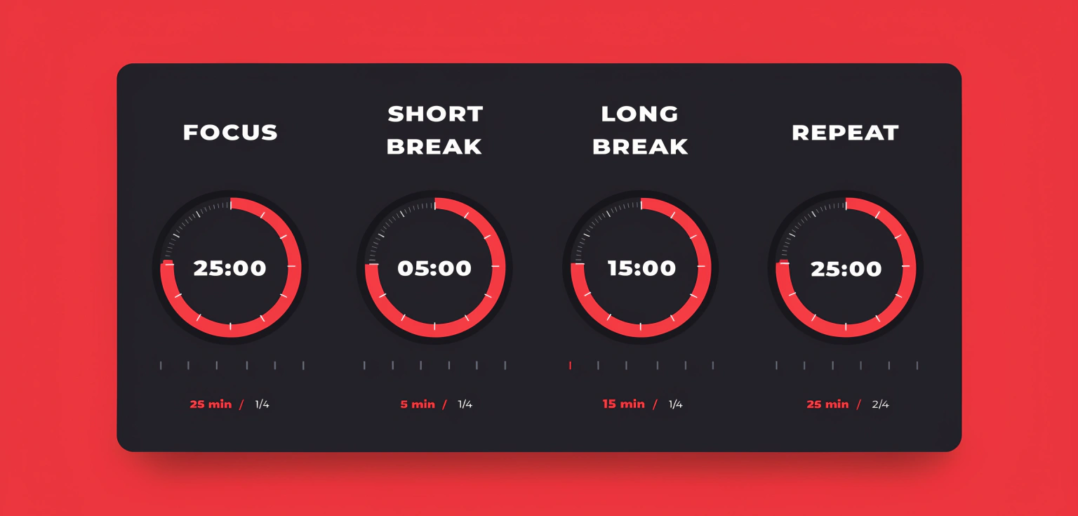
5. Take Regular Breaks (Pomodoro Technique)
Study in 25–50 minute focused sessions followed by 5–10 minute breaks.
Use breaks to stretch, hydrate, or relax briefly.
Benefit: Prevents burnout and maintains concentration over longer periods.
6. Teach What You Learn
Explain concepts to a friend, peer, or even yourself.
Tip: Teaching reinforces learning and identifies gaps in knowledge.
Benefit: Improves retention and comprehension.
Example:
Fatima taught her classmates chemistry reactions and found she remembered them more effectively.
7. Use Mnemonics and Acronyms
Create memory aids to recall sequences, formulas, or key concepts.
Tip: Make them funny or relatable to enhance memorability.
Benefit: Simplifies recall of large or complex information.
FAQs (SEO-Optimized)
Q1: How can I improve focus while studying?
A: Remove distractions, use time-blocking, and study in short, focused sessions.
Q2: What is the best technique for long-term retention?
A: Spaced repetition and active recall are proven to enhance long-term memory.
Q3: Can mind maps help with studying?
A: Yes, they visually organize information, making complex topics easier to understand.
Q4: How often should I take breaks during study sessions?
A: Every 25–50 minutes with short breaks helps maintain focus and prevent fatigue.
Q5: Is teaching others an effective study method?
A: Absolutely, it reinforces knowledge and highlights areas that need improvement.
Q6: Can mnemonics really help with memory?
A: Yes, they simplify complex information into memorable cues for better recall.
Internal Links
Productivity Tips for Students
Time Management Techniques for College Students
How to Avoid Procrastination in College
External Links
Verywell Mind – Study Techniques
Edutopia – Active Learning Strategies
MindTools – Memory Techniques