Introduction
College life in 2025 is filled with lectures, assignments, extracurriculars, and social commitments. Without effective time management techniques, students can easily feel overwhelmed, miss deadlines, or experience stress. Learning to manage time efficiently is crucial for academic success, personal growth, and a balanced lifestyle. This guide highlights the most effective time management techniques for college students, including planning strategies, prioritization methods, and productivity hacks. Each technique includes practical steps, real-life examples, and tips for consistent implementation. Whether you’re juggling online classes, part-time work, or club activities, these strategies will help you optimize your schedule, reduce procrastination, and achieve your goals while maintaining your health and well-being.
1. Prioritize Tasks with the Eisenhower Matrix
Categorize tasks into Urgent/Important, Important/Not Urgent, Urgent/Not Important, and Neither.
Focus on high-priority tasks first.
Tip: Schedule important tasks before deadlines to reduce stress.
Mini-Case Study:
Aisha used the Eisenhower Matrix to prioritize assignments and exams, finishing critical tasks on time while avoiding last-minute panic.
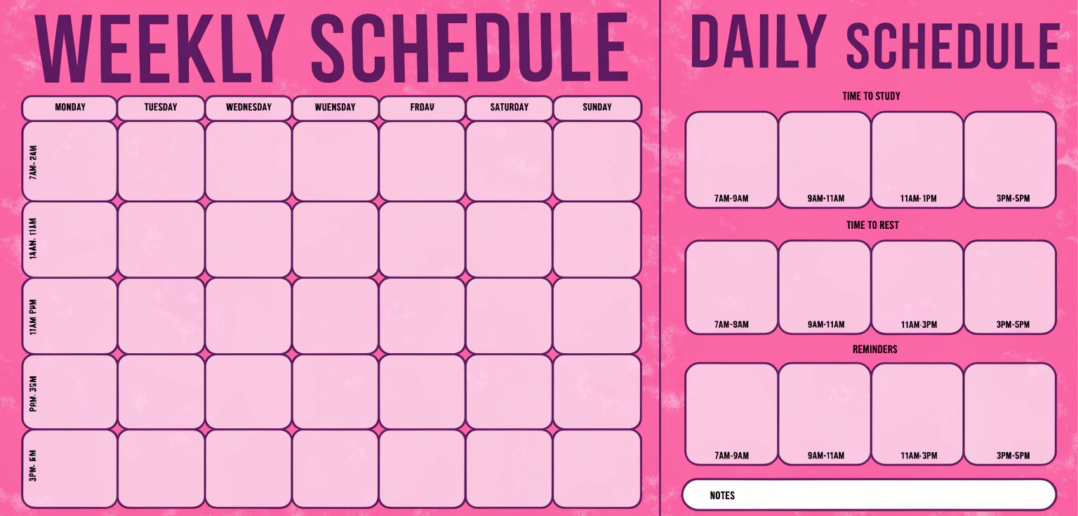
2. Plan Weekly and Daily Schedules
Use planners or digital calendars like Google Calendar or Notion.
Allocate time blocks for lectures, assignments, study, and leisure.
Tip: Review your weekly plan every Sunday and adjust daily as needed.
Example:
Hassan dedicated mornings to lectures, afternoons to assignments, and evenings to revision, maintaining a consistent routine.
3. Apply the Pomodoro Technique
Work in 25-minute focused sessions followed by 5-minute breaks.
After four sessions, take a longer 15–20 minute break.
Benefit: Enhances focus, reduces mental fatigue, and improves productivity.
Mini-Case Study:
Omar completed his weekly readings efficiently using Pomodoro sessions, finishing 30% faster than usual.
4. Limit Multitasking
Focus on one task at a time to improve quality and speed.
Avoid switching between social media, assignments, and lectures.
Tip: Turn off notifications and close unrelated tabs during study time.
5. Set SMART Goals for Each Week
Specific, Measurable, Achievable, Relevant, Time-bound goals help maintain clarity.
Break larger assignments into weekly milestones.
Benefit: Keeps progress trackable and motivation high.
Mini-Case Study:
Fatima set a weekly goal to complete two lab reports and a chapter summary, achieving her semester targets efficiently.
6. Use Time-Blocking for Deep Work
Assign uninterrupted time for critical tasks like studying, coding, or writing papers.
Tip: Label blocks as “deep work” to minimize interruptions.
Benefit: Maximizes productivity for complex or demanding tasks.
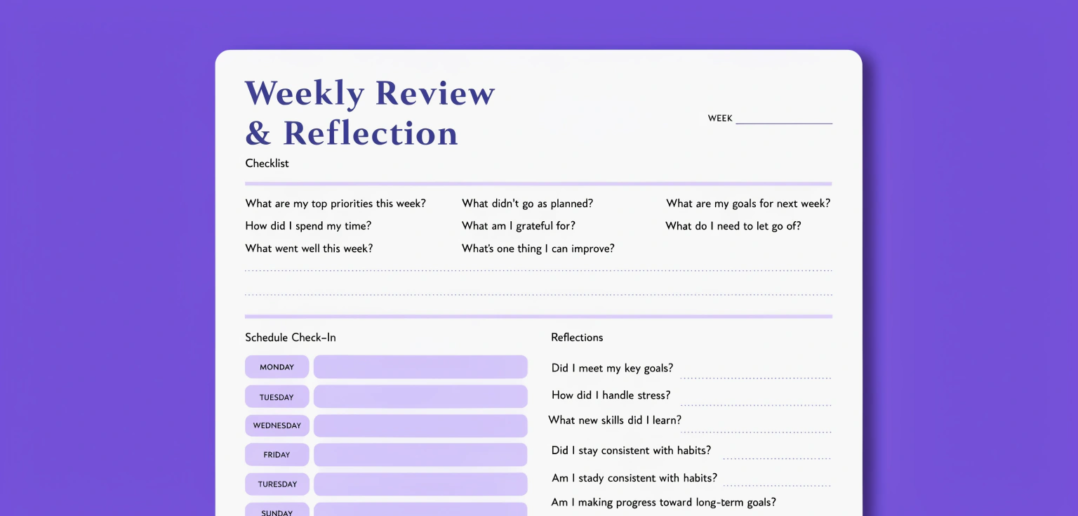
7. Review and Reflect Regularly
End each week with a review session: what worked, what didn’t, and improvements.
Tip: Adjust your next week’s plan based on insights.
Benefit: Helps continuously optimize schedule and productivity.
FAQs (SEO-Optimized)
Q1: How can I manage time effectively with online classes?
A: Use digital calendars, time-block lectures and study sessions, and minimize distractions during classes.
Q2: What is the best time management technique for college students?
A: Combining time-blocking, Pomodoro, and SMART goals works effectively for most students.
Q3: How can I reduce procrastination?
A: Break tasks into smaller steps, schedule them, and use focus techniques like Pomodoro.
Q4: Should I multitask to save time?
A: No, focusing on one task at a time improves quality and efficiency.
Q5: How often should I plan my schedule?
A: Weekly for overall planning and daily for specific tasks and adjustments.
Q6: Can reflection improve time management?
A: Yes, reviewing what worked helps refine strategies and enhance productivity.
Internal Links
Productivity Tips for Students
How to Avoid Procrastination
Study Techniques to Improve
External Links
MindTools – Time Management Skills
Edutopia – Student Productivity Tips
Verywell Mind – Study & Focus Techniques